Lease buyout: should you buy your leased car in 2026?

By Marcus Bell
Auto Loans Writer · Nov 17, 2026 · 9 min read
Ready to compare? See ranked offers from our partners — checking is free.
Compare lease buyout optionsYour lease is almost up, and the dealer wants to know what you plan to do. You can hand back the keys, lease something new, or buy the car you have been driving. That last option is called a lease buyout.
A buyout can be a smart move or an expensive one. It depends on what your car is worth today compared with the price written into your lease, how many miles you have put on it, and how you plan to pay for it.
This guide explains how a lease buyout works, the numbers to check, and how to finance one. It is general information, not financial advice. Lenders set their own rates, terms and approval rules.
The short version
- Your buyout price is mostly set already. It is usually the residual value in your lease contract, plus a purchase option fee, taxes and title fees.
- Compare it with the market. If your car is worth more than the buyout price, you have lease equity. If it is worth less, returning it may be cheaper.
- High miles or wear tilt the math toward buying. Buying the car usually means you skip excess mileage, wear and disposition charges.
- Financing is separate. A lease buyout loan works like a used car loan. Shop it like one.
- Third-party buyouts are often restricted. Many leasing companies only sell to you or their own dealers, so check before you plan to sell to someone else.
How a lease buyout works
When you sign a lease, the leasing company estimates what the car will be worth at the end. That estimate is the residual value, and it is printed in your contract. Your monthly payments mostly cover the drop in value from the starting price down to the residual, plus a finance charge.
At the end of the lease, you usually have the right to buy the car for that residual value. On top of it, most contracts add a purchase option fee, often a few hundred dollars. Typical amounts run somewhere around $300 to $900, depending on the leasing company. Your state may also charge sales tax on the purchase price, plus title and registration fees.
You can usually buy early, too. An early buyout price is typically your remaining payments plus the residual, minus any unearned finance charges, though contracts vary. Ask your leasing company for a written payoff quote either way.
Step 1: Find your real buyout price
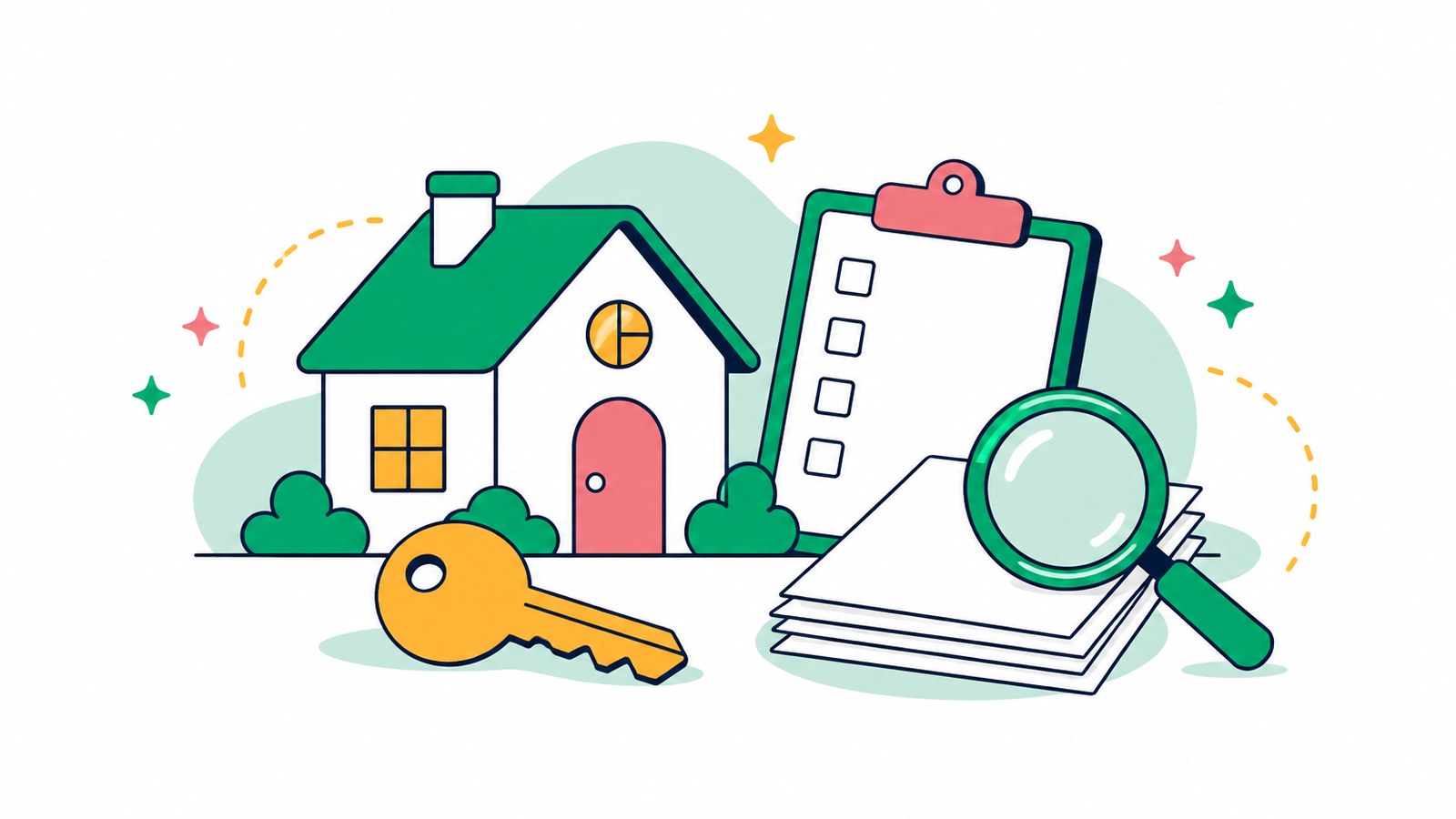
Look for these items in your lease contract or online account, then confirm them with a payoff quote:
- Residual value, sometimes listed as the purchase option price at scheduled termination
- Purchase option fee
- Sales tax rules for your state, since some states tax the full price and others handle lease buyouts differently
- Title, registration and any dealer fees, if a dealer handles the paperwork
Be wary of extra add-ons. Some leasing companies say dealers should not charge their own documentation or handling fees on a buyout. If a dealer quotes fees that are not in your contract, ask the leasing company about them.
Step 2: Check what the car is worth today
Next, look up your car's current value. Use a few pricing guides, and get real offers from dealers or online car buyers if you can. Use the trade-in or private sale value for your exact trim, mileage and condition.
Then compare:
- Market value above buyout price: you have positive lease equity. Buying may cost less than buying a similar used car elsewhere, and you already know this car's history.
- Market value below buyout price: you are upside down on the lease. Returning the car and walking away is often cheaper, since the leasing company takes the loss.
Used car prices move over time, so a car that looked like a bad deal at signing can look better at lease end, or the other way around.
Step 3: Add up what returning the car would cost
Returning a leased car is not always free. Common turn-in costs include:
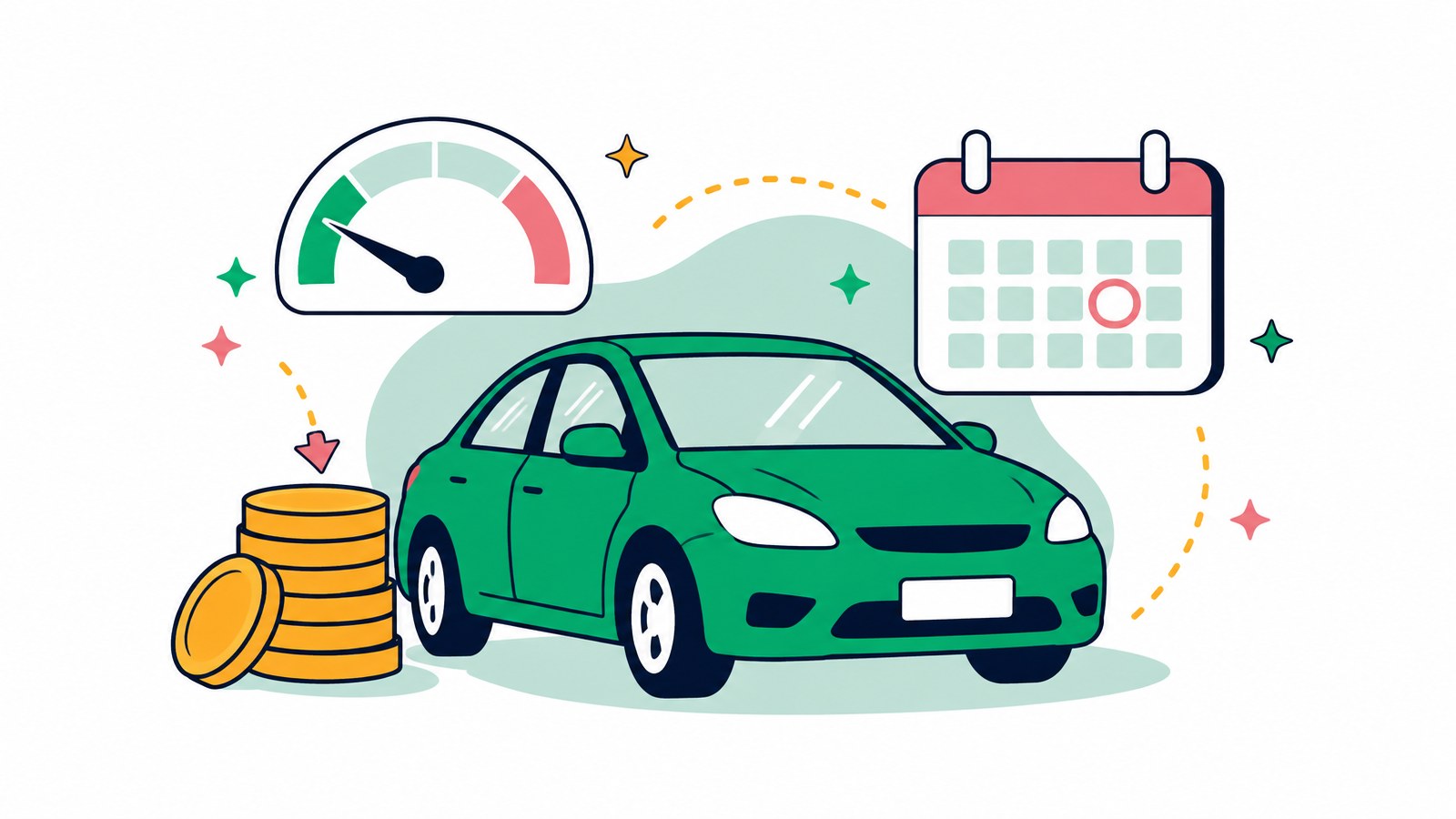
- Excess mileage charges. Many leases allow about 10,000 to 15,000 miles a year. Going over often costs around 15 to 30 cents a mile, as set in your contract.
- Excess wear and tear. Dents, worn tires, curb-rashed wheels and stained seats can bring charges after the lease-end inspection.
- Disposition fee. This covers the cost of preparing the car for resale. It is often around $300 to $500, and it is usually waived if you buy the car.
If you are thousands of miles over, those charges can be large. Buying the car usually wipes them out, which is why high-mileage drivers are often good buyout candidates.
Step 4: Decide how you will pay
If you can pay cash, you avoid interest. Most people finance at least part of the price, though.
Lease buyout loans
A lease buyout loan is a type of auto loan used to purchase your leased car. Banks, credit unions, online lenders and the automaker's own finance company may offer them. Because the car is no longer new, rates and terms often look more like a used car loan than a new car loan. Your credit, the car's age and mileage, the loan amount and the term all affect what you are offered.
Tips for shopping:
- Prequalify with a few lenders using soft credit checks, including a credit union.
- Compare APR, term, fees and total cost, not just the monthly payment.
- Keep the term reasonable. A longer loan lowers the payment, but you pay more interest and may owe more than the car is worth for longer.
- Do your full applications within a short window, about 14 days, so credit scoring models typically treat them as one auto loan inquiry.
You can see lease buyout options on our lease buyout page or browse the full auto loans hub.
A worked example (hypothetical)
Meet Jordan, a hypothetical driver. These numbers are rounded and for illustration only. They are not a quote, an approval or a promise of savings.
Jordan's 3-year lease is ending. The contract lists a $22,000 residual and a $400 purchase option fee. Jordan's state charges 6% sales tax on the buyout, about $1,320, and title and registration add about $150. The total buyout cost is about $23,870.
Jordan has driven 6,000 miles over the allowance. At 20 cents a mile, that would cost about $1,200 at turn-in, plus a $395 disposition fee.
Similar cars are selling for about $25,500 at dealers. Buying one would also bring sales tax and fees, for a total of roughly $27,180.
| Option | Upfront or total cost | What Jordan gets |
|---|---|---|
| Buy out the lease | about $23,870 | The car Jordan knows, no turn-in charges |
| Return the car | about $1,595 in charges | No car, needs a replacement |
| Return and buy a similar used car | about $1,595 plus about $27,180 | A car with an unknown history |
In this example, the buyout costs about $3,300 less than buying a similar used car, and Jordan also skips about $1,595 in turn-in charges.
Now the financing. If Jordan borrows the full $23,870 at a hypothetical 8% APR for 48 months, the payment is about $583, with about $4,100 in total interest. Stretching to 60 months drops the payment to about $484, but total interest rises to about $5,170. A down payment or a shorter term would cut the interest further.
If the car were worth only $19,000 instead, the math would flip. Jordan would likely be better off paying the mileage charges and returning it.
Can you sell your leased car to a third party?
Sometimes, but it has become harder. Many automaker finance companies now limit or block third-party buyouts, where an outside dealer or online buyer pays off your lease directly. Some only allow sales to you or to their own brand's dealers.
If you plan to cash in lease equity by selling to someone else, call your leasing company first and ask who is allowed to buy the car and what fees apply. In some cases you may need to buy the car yourself first, which can mean paying sales tax before you sell.
Before you sign: a quick checklist
- Get a written payoff quote with every fee listed.
- Get a pre-purchase inspection from an independent mechanic, especially if the factory warranty is ending.
- Check warranty coverage. Ask what is left and whether an extended service contract is worth it to you. You do not have to buy one.
- Update your insurance, since you may no longer need the lessor's coverage requirements, and decide whether you still want GAP coverage on a new loan.
- Confirm how the title will be transferred and when.
When a lease buyout usually does not make sense
- The car is worth clearly less than the buyout price.
- You are under your mileage allowance with little wear, so returning it costs little.
- The car has known reliability problems or costly repairs coming up.
- The only way to afford the payment is a very long loan term.
Bottom line
A lease buyout can make sense when your car is worth more than the price in your contract, when you would owe big mileage or wear charges, or when you simply like the car and know its history. Start with a written payoff quote, compare it with the car's market value, and add up what returning it would cost. Then shop your financing like any used car loan. Lenders set the final rates and terms, so compare a few offers and only buy when the numbers work for you.
Ready to compare? See ranked offers from our partners — checking is free.
Compare lease buyout optionsFrequently asked questions
About the author
Marcus Bell
Auto Loans Writer
Marcus writes Cashzilla's guides to auto loans, refinancing and lease buyouts. He helps readers compare offers before they ever step into a dealership.
Auto loan rates are set by partner lenders based on your credit profile, loan term, vehicle age and mileage, and loan-to-value ratio. Advertised rates assume strong credit; your actual rate may differ. Approval is not guaranteed.
This article is general information, not financial, legal, or tax advice. Rates, terms, and approval are set by lenders and are not guaranteed.