How a HELOC works: draw period, repayment and variable rates explained

By Rachel Morgan
Home Equity Editor · Oct 18, 2026 · 7 min read
Ready to compare? See ranked offers from our partners — checking is free.
Compare home equity optionsA home equity line of credit, or HELOC, is one of the most flexible ways to borrow against your home. It's also one of the most misunderstood. The payment can change. The rules shift partway through. And the terms vary a lot from one lender to the next.
This guide breaks it down in plain English: how the draw period works, what happens when repayment starts, how variable rates move your payment, and what to check before you sign.
What is a HELOC?
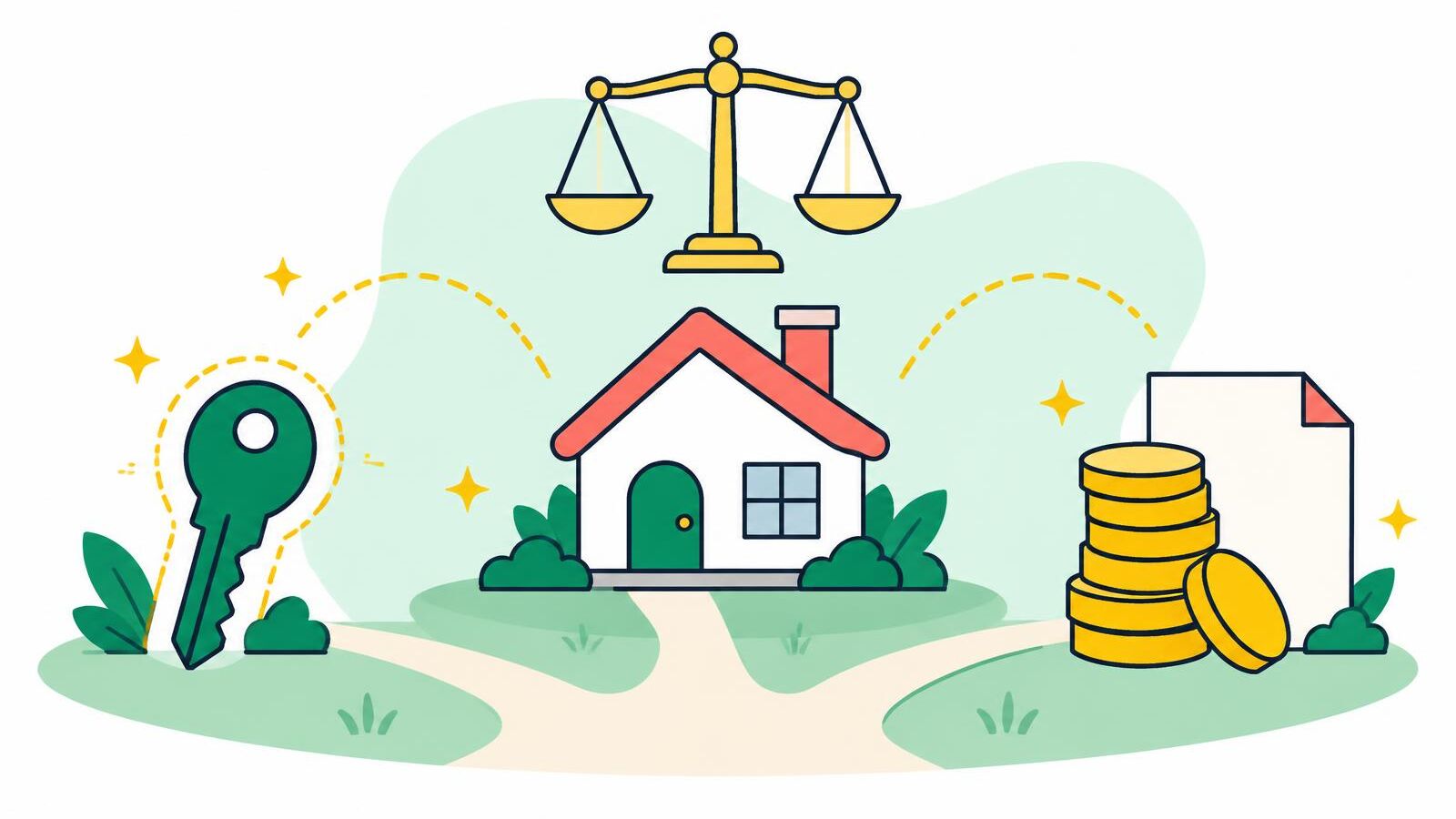
A HELOC is a revolving line of credit secured by your home. A lender sets a credit limit based on your home's value, what you still owe on your mortgage, your credit, and your income. You can borrow up to that limit, pay it back, and borrow again.
Because your home is the collateral, HELOC rates are usually lower than credit card or unsecured personal loan rates. The flip side: if you can't repay, your home is at risk.
A HELOC is usually a second loan that sits behind your first mortgage. Your existing mortgage stays exactly as it is.
The two phases of a HELOC
Every HELOC has two stages. Understanding the switch between them is the most important part.
Phase 1: The draw period
During the draw period, you can borrow from the line whenever you need to. It often lasts around 10 years, though some lenders offer shorter or longer periods.
- You only pay interest on what you've actually borrowed, not on your full limit.
- Many HELOCs require interest-only payments during this time. You can usually pay extra toward principal if you want to.
- You can repay and borrow again, as long as you stay under your limit and the line is open.
You can typically access funds by online transfer, special checks, or a card, depending on the lender.
Phase 2: The repayment period
When the draw period ends, you can't borrow more. Now you repay what you owe, usually over 10 to 20 years. Each payment covers both principal and interest.
This is where many people get surprised. If you were paying interest only, your payment can jump a lot, even if your rate stays the same. Some HELOCs work differently and may require a large balloon payment at the end. Read your agreement so you know which kind you have.
How variable HELOC rates work
Most HELOCs have a variable rate made of two parts:
- The index. This is a benchmark rate, most often the prime rate. It moves with the broader market and Federal Reserve policy.
- The margin. This is a fixed amount the lender adds on top, based on your credit and the loan details. For example, prime plus 1%.
Your rate equals the index plus the margin. When the index goes up, your rate and payment go up. When it goes down, so do they.
A few things to look for:
- Intro rates. Some lenders offer a low starting rate for the first several months. Find out what the rate becomes after.
- Rate caps. Many HELOCs have a lifetime cap on how high the rate can go. Some also limit how often it can change.
- Fixed-rate options. Some lenders let you lock part of your balance at a fixed rate. This can make your payment more predictable.
Worked example: how the payment changes over time
This is a hypothetical example. The rates are made up for illustration and are not current quotes or an offer of credit. Your actual rate and terms are set by the lender.
Say you open a HELOC and draw $40,000 for home repairs. The line has a 10-year draw period with interest-only payments, then a 20-year repayment period. The example rate is 8%.
| Stage | What you pay | Example monthly payment |
|---|---|---|
| Draw period at 8% | Interest only | About $267 |
| Draw period if the rate rises to 9% | Interest only | About $300 |
| Repayment period at 8% | Principal and interest over 20 years | About $335 |
| Repayment period if the rate is 10% | Principal and interest over 20 years | About $386 |
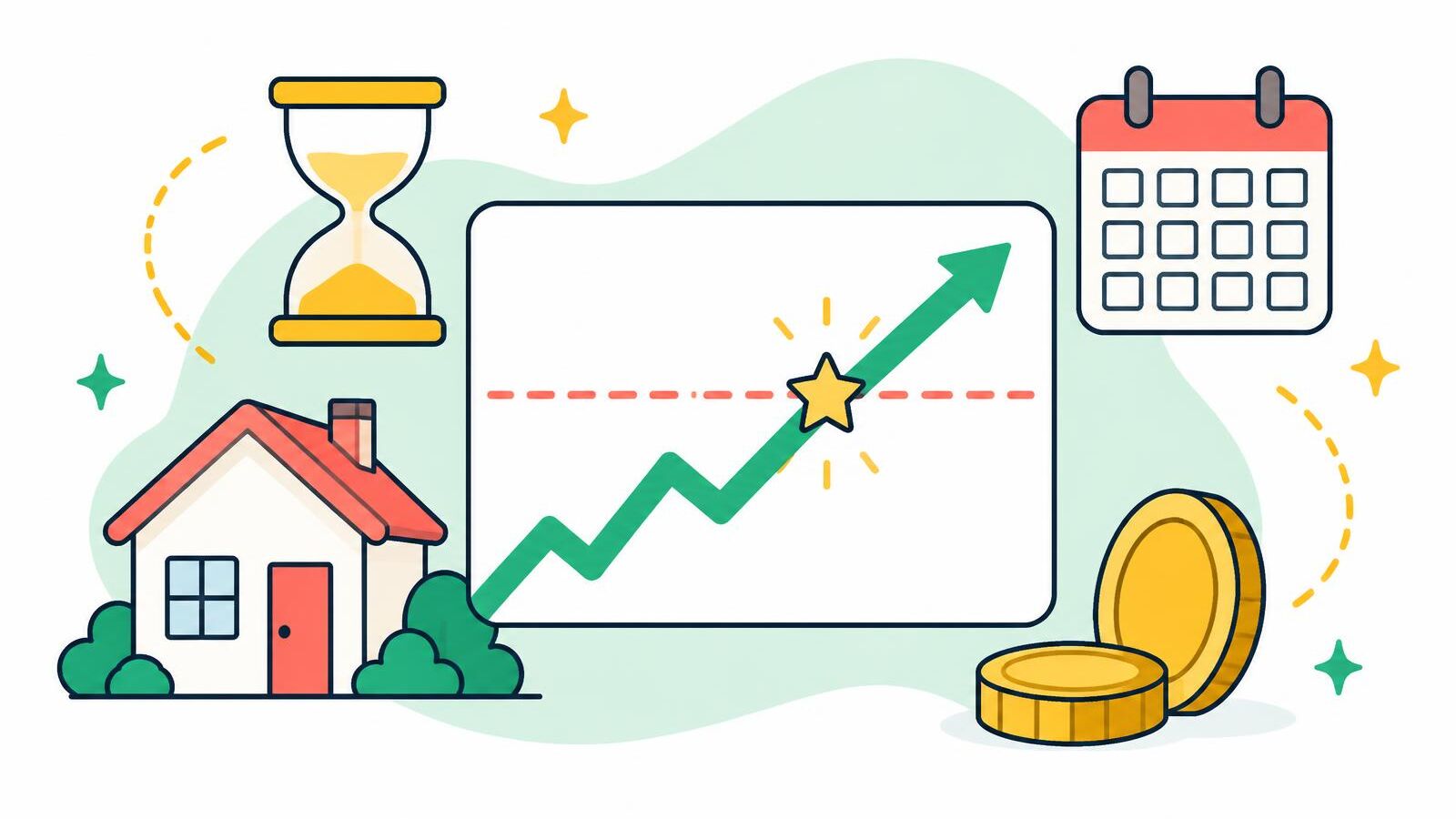
Two things stand out. First, a one-point rate rise adds about $33 a month during the draw period on this balance. Second, the switch to repayment adds about $68 a month even with no rate change, because you're now paying down the $40,000.
And if you only pay interest for 10 years, you still owe the full $40,000 when repayment starts. Over the 20-year repayment period at 8%, you'd pay roughly another $40,000 in interest on top of the interest you already paid during the draw period. Paying extra during the draw period can shrink both numbers.
What it costs to open a HELOC
HELOC costs vary widely. Some lenders cover most closing costs. Others charge fees that add up. Common ones include:
- Appraisal fee to confirm your home's value
- Origination or application fee
- Title search and recording fees
- Annual fee to keep the line open
- Early closure fee if you close the line within the first few years
- Minimum draw requirements at opening
When a lender advertises "no closing costs," ask whether you'd have to repay those costs if you close the line early. Compare the full fee list, not just the rate.
How much can you borrow?
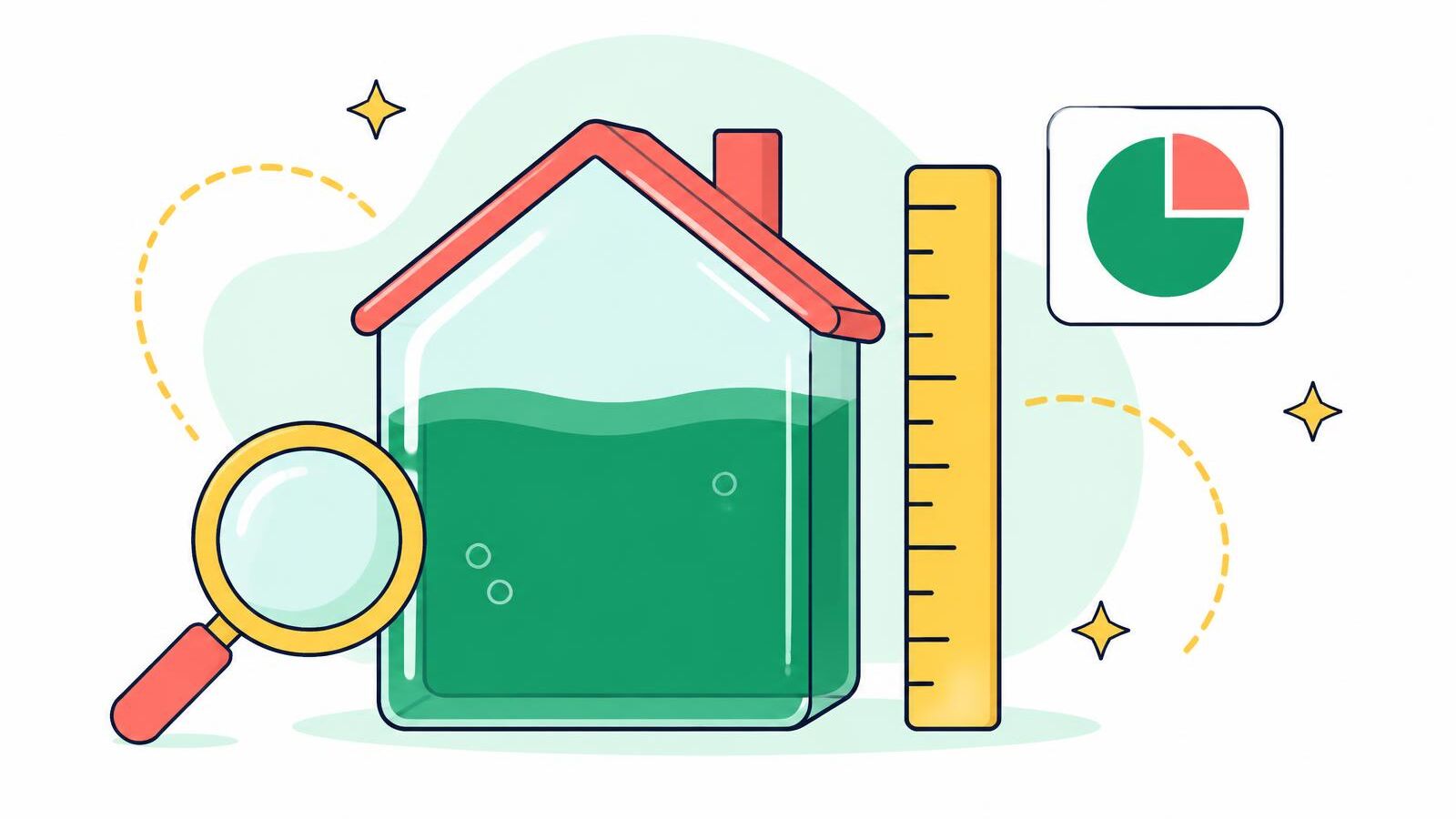
Lenders look at your combined loan-to-value ratio (CLTV). That's your mortgage balance plus the HELOC limit, divided by your home's value. Many lenders cap CLTV around 80% to 85%. Some allow up to 90% for strong applicants. Texas has its own stricter rules for homestead properties.
Your credit score, income, and debt-to-income ratio matter too. Even with plenty of equity, a lender may approve a smaller line.
Pros and cons of a HELOC
Pros
- Flexible: borrow only what you need, when you need it
- You pay interest only on what you've drawn
- Rates are often lower than credit cards and unsecured loans
- Your first mortgage stays untouched
- Closing costs can be lower than a refinance
Cons
- Variable rate means your payment can rise
- Payment can jump when repayment starts
- Your home is the collateral
- Fees can add up
- Easy access can make it tempting to overspend
- The lender may freeze or reduce your line in some cases, such as a big drop in your home's value
Common ways people use a HELOC
- Home improvements, especially projects paid in stages
- Consolidating high-interest debt, though this turns unsecured debt into debt secured by your home
- Emergency backup, with a line open but unused
- Large planned expenses like education costs
Under current IRS rules, HELOC interest is generally tax-deductible only if you use the money to buy, build, or substantially improve the home that secures it, and only if you itemize. Check with a tax professional.
Before you sign: a quick checklist
- How long is the draw period, and how long is repayment?
- Is the draw-period payment interest only?
- What index and margin set the rate? Is there an intro rate?
- Is there a lifetime rate cap? How often can the rate change?
- Can you lock part of the balance at a fixed rate?
- What are all the fees, including annual and early closure fees?
- Is there a minimum draw or minimum balance?
- Is there a balloon payment at the end?
For a HELOC on your primary home, federal law generally gives you three business days after closing to cancel without penalty. Use that time to review the paperwork.
The bottom line
A HELOC gives you flexible access to your home equity, often at a lower rate than other kinds of borrowing. But it has two phases, and the payment can change in both. Before you open one, run the numbers at a higher rate and at the start of repayment. If those payments still fit your budget, a HELOC may be a good tool.
Ready to compare? See ranked offers from our partners — checking is free.
Compare home equity optionsFrequently asked questions
About the author
Rachel Morgan
Home Equity Editor
Rachel edits Cashzilla's home equity coverage, from HELOCs to home equity loans. She focuses on turning lender fine print into clear, side-by-side comparisons.
Mortgage rates shown are provided by partners and change daily based on market conditions and your credit profile, down payment, loan type, and property location. Rates are not an offer of credit. Approval and final terms are determined by the lender.
This article is general information, not financial, legal, or tax advice. Rates, terms, and approval are set by lenders and are not guaranteed.