
Is it worth refinancing? How to find your break-even point

By Daniel Reyes
Mortgage Writer · Oct 14, 2026 · 6 min read
Ready to compare? See ranked offers from our partners — checking is free.
Compare refinance offersA lower rate sounds like an easy win. But refinancing isn't free. You'll usually pay closing costs up front or roll them into the new loan. So the real question isn't "Is the new rate lower?" It's "Will I save enough, for long enough, to cover what it costs?"
That's what your break-even point tells you. It's one of the simplest and most useful numbers in any refinance decision. Here's how to find yours.
What is the refinance break-even point?
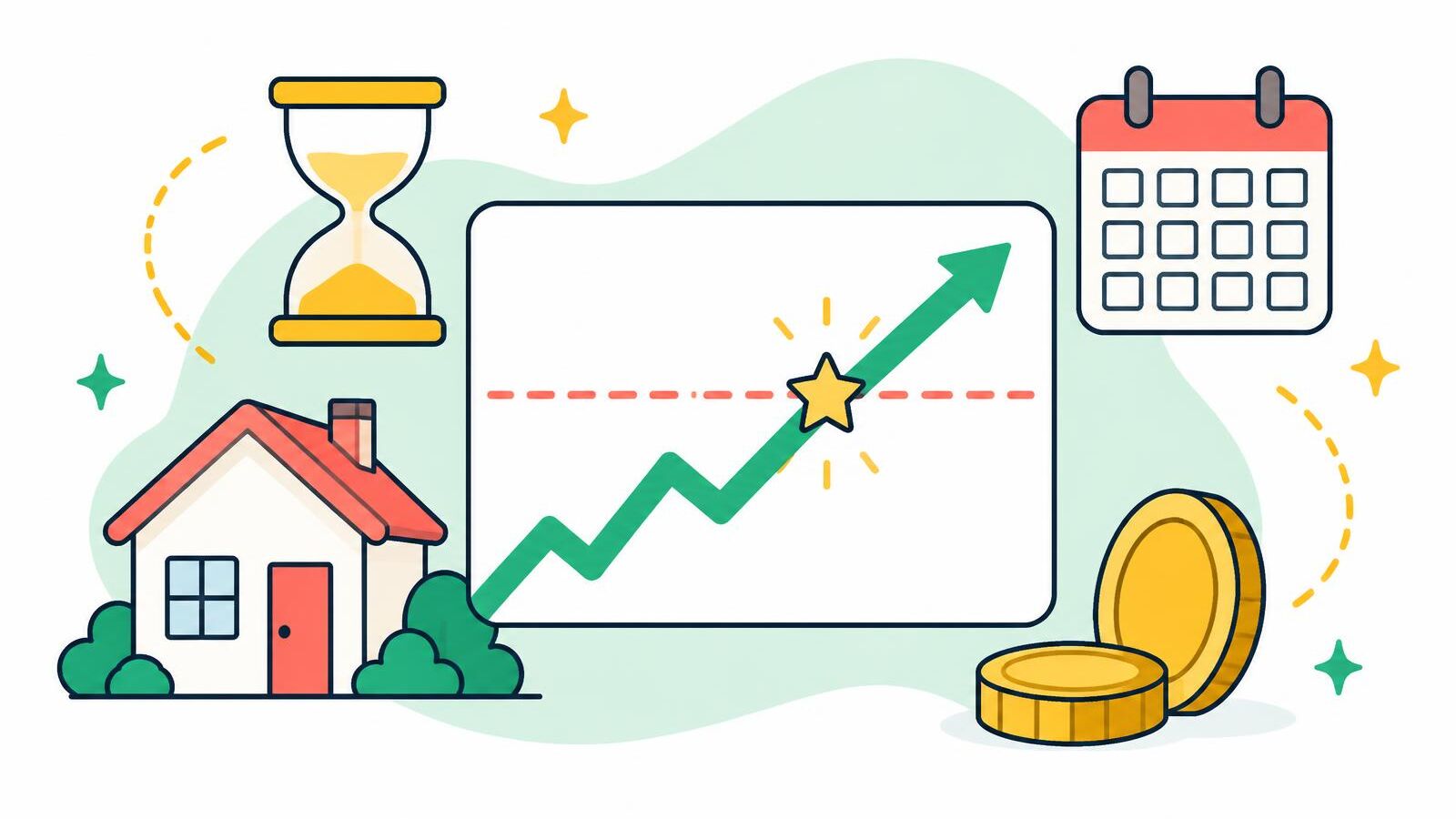
Your break-even point is how long it takes for your monthly savings to add up to the cost of refinancing. After that, the savings are yours.
Break-even (in months) = Total refinance costs / Monthly savings
If you plan to stay in the home (and keep the new loan) longer than your break-even point, refinancing may pay off. If you'll likely sell or refinance again before then, it may cost you more than it saves.
Step 1: Add up your refinance costs
Refinance closing costs often run about 2% to 6% of the new loan amount. Freddie Mac, for example, says to expect about 3% to 6% of your loan principal. Your actual costs depend on the lender, your loan size, your credit, and where you live.
Common costs include:
- Lender origination and underwriting fees
- Appraisal
- Title search and title insurance
- Government recording fees and, in some states, taxes
- Credit report fee
- Discount points, if you choose to buy a lower rate
Use the Loan Estimate each lender gives you. It lists the costs in a standard format, which makes comparing easier.
A quick note on "no-closing-cost" refinances: the costs don't disappear. Usually you either accept a higher rate or the costs are added to your loan balance. Both still cost you. Count them.
Step 2: Figure out your monthly savings
Compare your current principal and interest payment to the new one. Leave out taxes and insurance. Those usually stay about the same either way.
Be careful here. If you're also changing your loan term, the monthly savings can be misleading. More on that below.
Step 3: Divide
Divide your total costs by your monthly savings. That's your break-even point in months. Divide by 12 to get years.
Worked example: finding the break-even point
This is a hypothetical example. The rates are made up for illustration and are not current quotes or an offer of credit. Your actual rate, costs, and savings depend on the lender and your situation.
You owe $300,000 on your mortgage at 7.25%, with 28 years left. Your principal and interest payment is about $2,088 a month.
A lender offers a new 30-year loan at 6.25%, with $7,500 in closing costs.
- New payment: about $1,847 a month
- Monthly savings: about $241
- Break-even: $7,500 / $241 = about 31 months, or a little over 2.5 years
If you expect to stay in the home for five years or more, this refinance could make sense on the monthly numbers. If you might move in two years, you'd likely lose money.
What if the rate drop is smaller?
Same loan, but the new rate is 7.00% instead of 6.25%, and costs are still $7,500.
- Monthly savings: about $50
- Break-even: $7,500 / $50 = about 151 months, or more than 12 years
That's a long time to wait. This is why a small rate drop often isn't worth it unless your costs are very low.
The catch: don't let a new 30-year term fool you
In the main example, you had 28 years left and took a new 30-year loan. Part of your lower payment comes from stretching the loan by two years, not just from the lower rate.
Here's a fairer comparison, over the full life of each loan:
| Option | Monthly payment | Remaining interest |
|---|---|---|
| Keep current loan (7.25%, 28 years left) | About $2,088 | About $401,700 |
| Refinance to 30 years at 6.25% | About $1,847 | About $365,000 |
| Refinance to 28 years at 6.25% | About $1,893 | About $336,000 |
The 30-year option has the lowest payment. But matching your current timeline saves much more interest overall. With the 28-year term, monthly savings are about $196, so break-even is about 38 months instead of 31.
If you go with a longer term for the lower payment, that's OK. Just know the trade-off. You can also make extra principal payments later to cut the interest.
When the break-even point matters less
Not every refinance is about monthly savings. Sometimes the goal is different:
- Switching from an adjustable rate to a fixed rate for predictability
- Removing mortgage insurance if your equity has grown
- Shortening your term, like moving to a 15-year loan, which often raises the payment but cuts total interest
- Taking cash out for a project or to pay off higher-interest debt
- Removing someone from the loan after a divorce
In these cases, weigh the cost against the benefit you're getting, not just the monthly payment.
Things that can change your break-even math
- How long you'll really stay. Be honest. Job moves and growing families change plans.
- Rolled-in costs. Adding closing costs to your balance means you pay interest on them too.
- Discount points. Paying points lowers your rate but raises your costs. Run a separate break-even just for the points.
- Escrow refunds. Your old lender may refund your escrow balance, but you'll often need to fund a new escrow account. These usually offset each other, so they're not true costs or savings.
- Taxes. Changes in mortgage interest may affect your taxes if you itemize. Ask a tax professional.
A quick rule of thumb
You may hear that refinancing makes sense when you can lower your rate by about 0.75 to 1 percentage point. That's a starting point, not a rule. Low closing costs can make a smaller drop worthwhile. A big loan balance does too. High costs or a short stay can make even a large drop a poor deal. Your break-even point gives you the real answer.
How to use this when you shop
- Get Loan Estimates from at least two or three lenders on the same day, for the same loan type and term.
- Add up the total costs in each one. Include points.
- Calculate the monthly savings for each.
- Find each break-even point.
- Compare to how long you expect to keep the loan.
Many lenders let you see estimated rates with a soft credit inquiry that won't affect your score. A full application may involve a hard inquiry, and mortgage inquiries within a short shopping window are generally counted as one.
The bottom line
Your break-even point is your total refinance costs divided by your monthly savings. If you'll keep the loan longer than that, refinancing may be worth it. Check whether a longer term is doing some of the work, and compare total interest, not just the payment. Then shop more than one lender, because lower costs mean a faster break-even.
Ready to compare? See ranked offers from our partners — checking is free.
Compare refinance offersFrequently asked questions
About the author
Daniel Reyes
Mortgage Writer
Daniel writes about refinancing and buying a home for the Cashzilla team. He walks through the math step by step so you can see the trade-offs before you talk to a lender.
Mortgage rates shown are provided by partners and change daily based on market conditions and your credit profile, down payment, loan type, and property location. Rates are not an offer of credit. Approval and final terms are determined by the lender.
This article is general information, not financial, legal, or tax advice. Rates, terms, and approval are set by lenders and are not guaranteed.